Loading blog post...
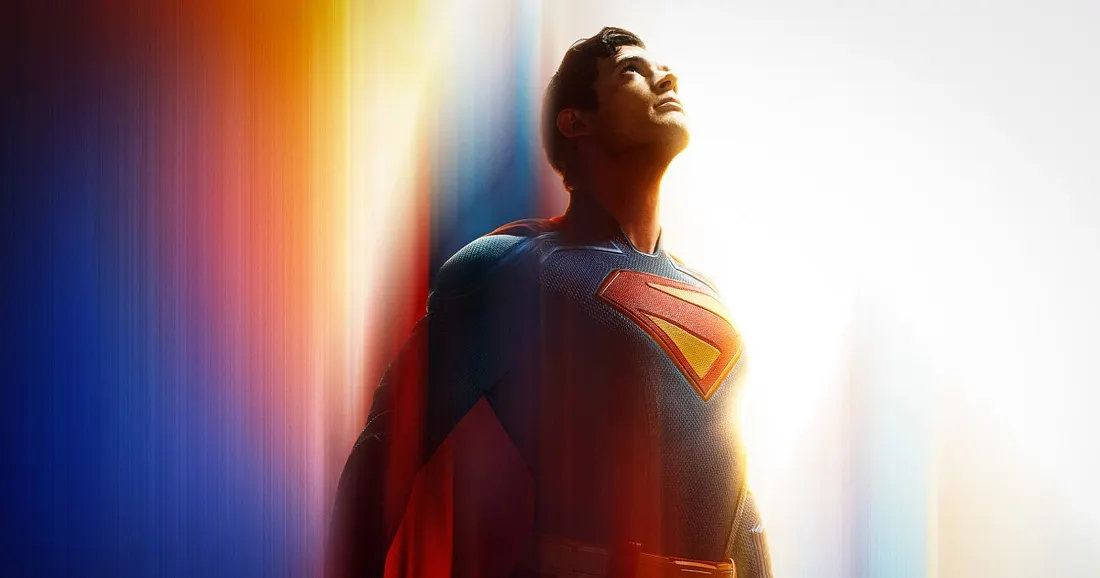
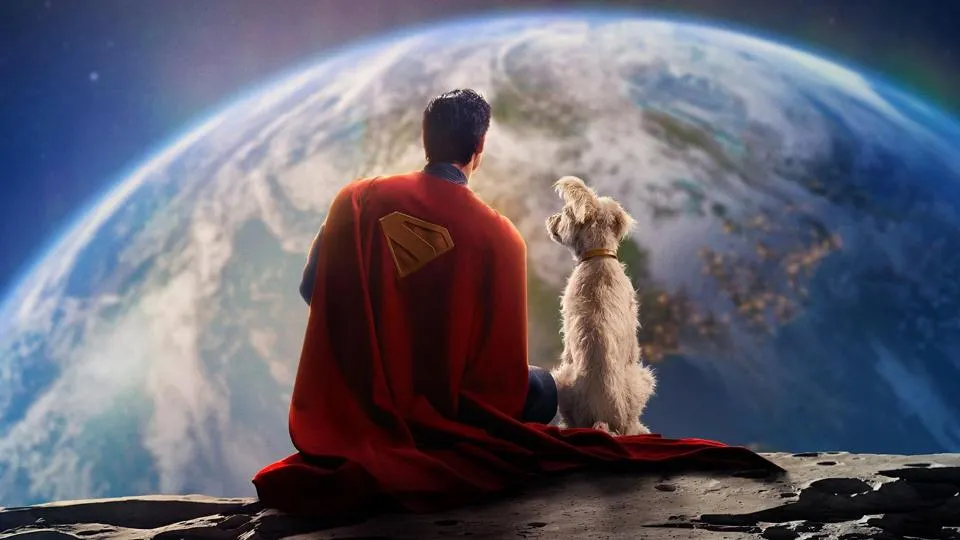
Picture a crisp Kansas night, stars scattered like diamonds across a velvet sky. A streak of light slices through the darkness, not a comet, but a cradle - a tiny spacecraft carrying a baby from a doomed planet. This is where it all begins, the story of Superman, the Last Son of Krypton, who crash-landed into our world and our hearts. It’s 2025, and James Gunn’s Superman has just soared into theaters, with David Corenswet donning the iconic red cape, Rachel Brosnahan sparkling as Lois Lane, and Nicholas Hoult scheming as Lex Luthor. The film’s global box office is already soaring past $217 million with a budget of $225 million, a testament to our endless fascination with this blue-eyed beacon of hope. But what is it about Superman that keeps us looking to the skies? Let’s take a flight through his story, from a 1930s comic book dream to a cinematic icon, complete with behind-the-scenes magic, visual effects wizardry, and the heart of a hero who’s always been more human than we might think.
A Spark in Cleveland: The Birth of a Legend
It’s 1933, and two young dreamers, Jerry Siegel and Joe Shuster, are hunched over sketchpads in a cramped Cleveland apartment. The world outside is heavy — breadlines stretch through the Great Depression, and across the ocean, fascism’s shadow grows darker. Siegel and Shuster, sons of Jewish immigrants, know what it’s like to feel powerless, to feel like outsiders. So, they create a hero who’s the ultimate outsider: Kal-El, a baby sent from the exploding planet Krypton to Earth, where he’s raised as Clark Kent by a kind Kansas couple, Jonathan and Martha.
Their Superman wasn’t just a strongman in tights. He was a response to a world that felt broken — a champion who could lift cars, stop bullets, and stand up to corrupt landlords and warlords alike. But here’s the kicker: his real power wasn’t his strength; it was his restraint. Superman could rule the world, but he chooses to save it instead. Siegel and Shuster poured their hopes into him, crafting a myth that said even in the darkest times, goodness could win. Fun fact: their first version of Superman was actually a bald villain in a 1933 short story called “The Reign of the Superman.”
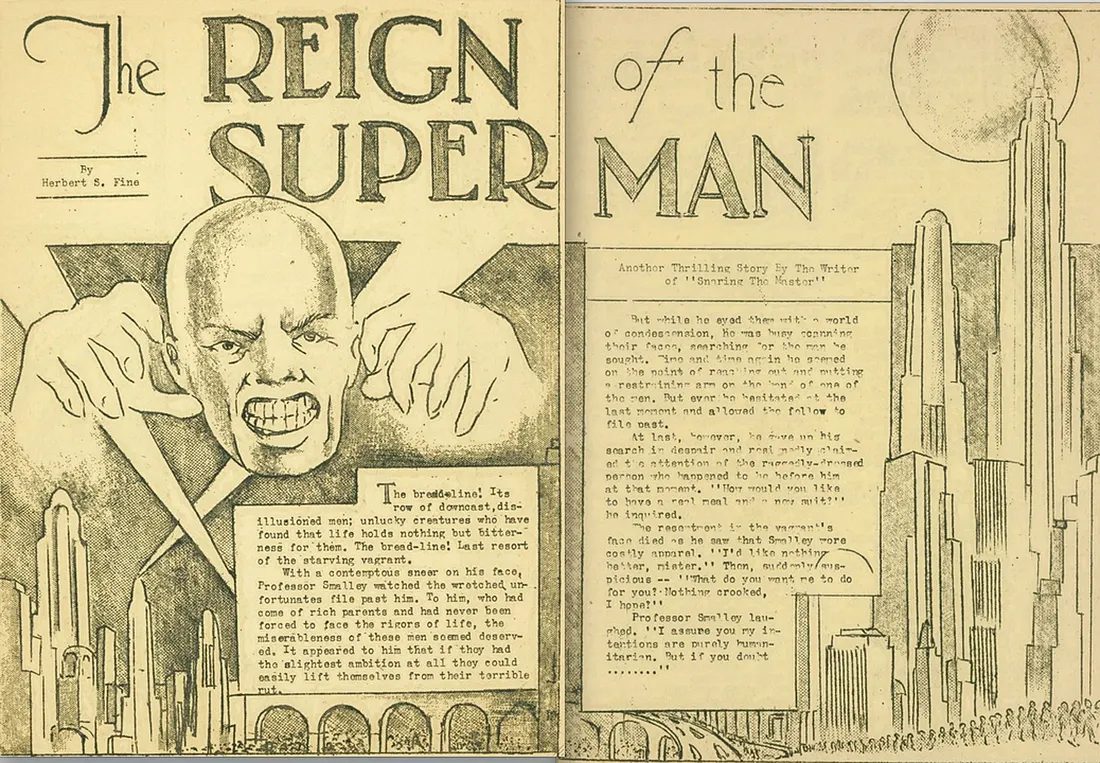
Thank goodness they flipped the script to give us the hero we know today!
Jerry Siegel and Joe Shuster reimagined him as a caped alien savior in Action Comics #1 (1938).
The early Golden Age Superman was a street-level crusader, tossing corrupt politicians and abusive husbands, fighting for the common man during the Great Depression.
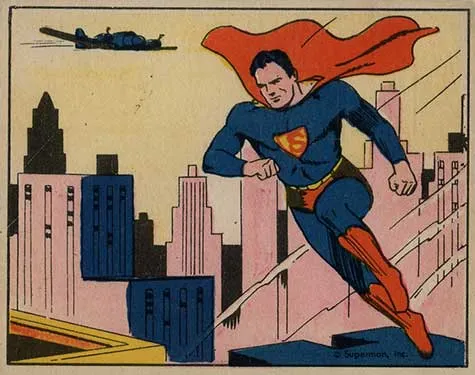
By the 1940s and WWII era, he had become a patriotic symbol, gracing war bond ads and punching Nazis.
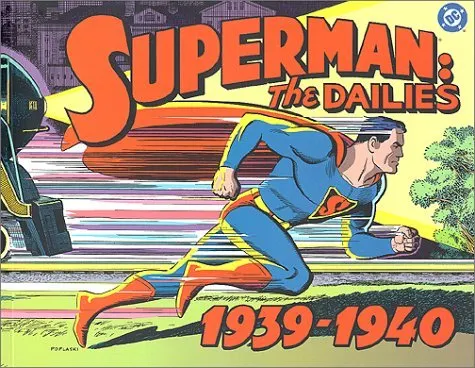
The Silver Age (1950s–60s) redefined him as a more cosmic figure with expanding powers, bizarre alien threats, and an expanding mythos.
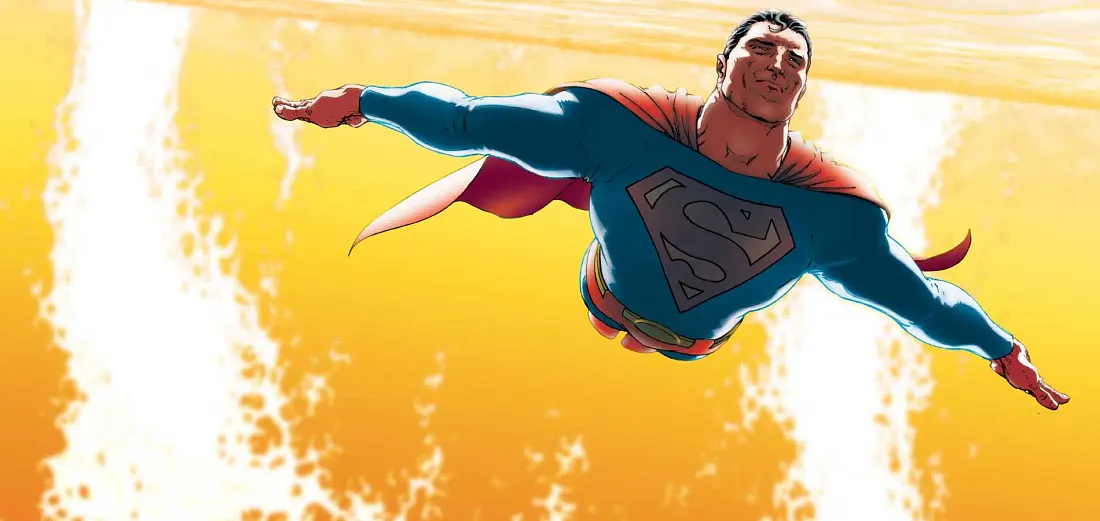
Krypto, Supergirl, the Fortress of Solitude, and the Phantom Zone all emerged during this time.
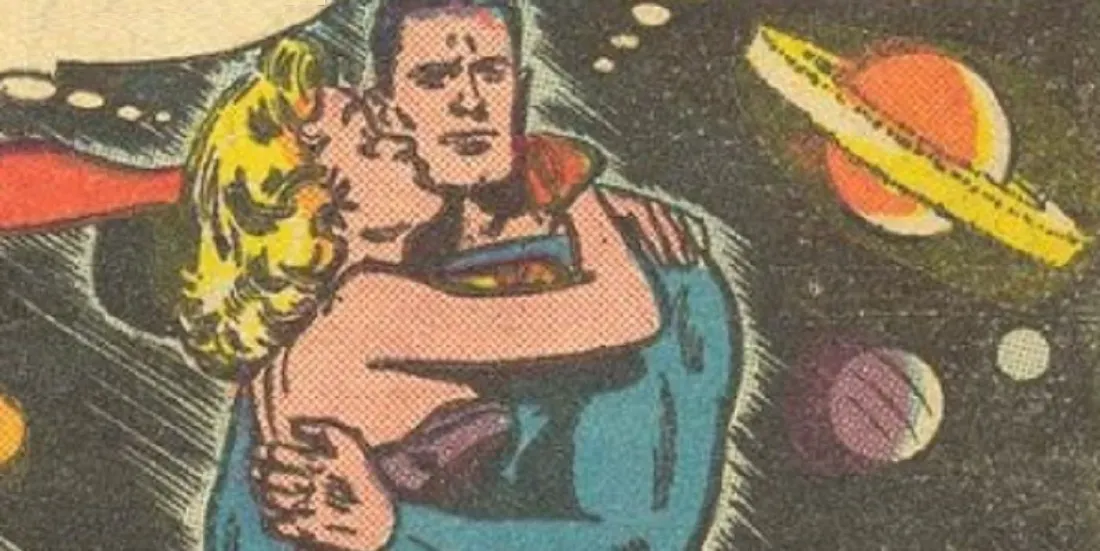
The Bronze Age (1970s) brought emotional depth, questioning his identity and responsibilities.
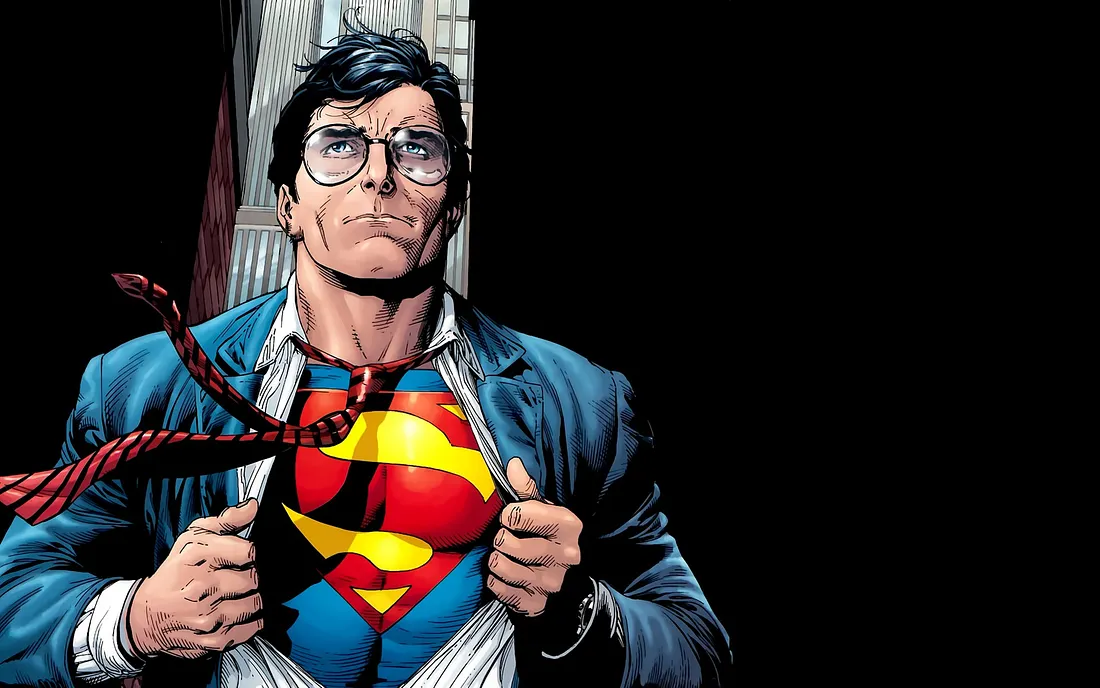
In 1986, John Byrne’s The Man of Steel reboot humanized Superman, redefining him as Clark Kent first, and a hero second.
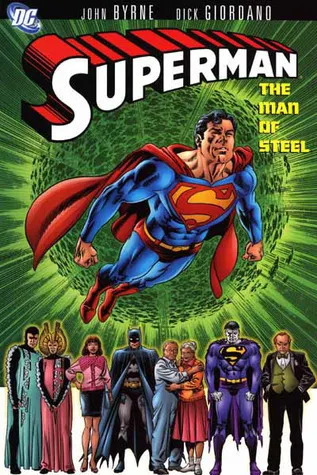
The 1990s pushed boundaries — Superman died fighting Doomsday (The Death of Superman), was resurrected, and even split into electric blue and red versions during a strange but memorable experimental period.
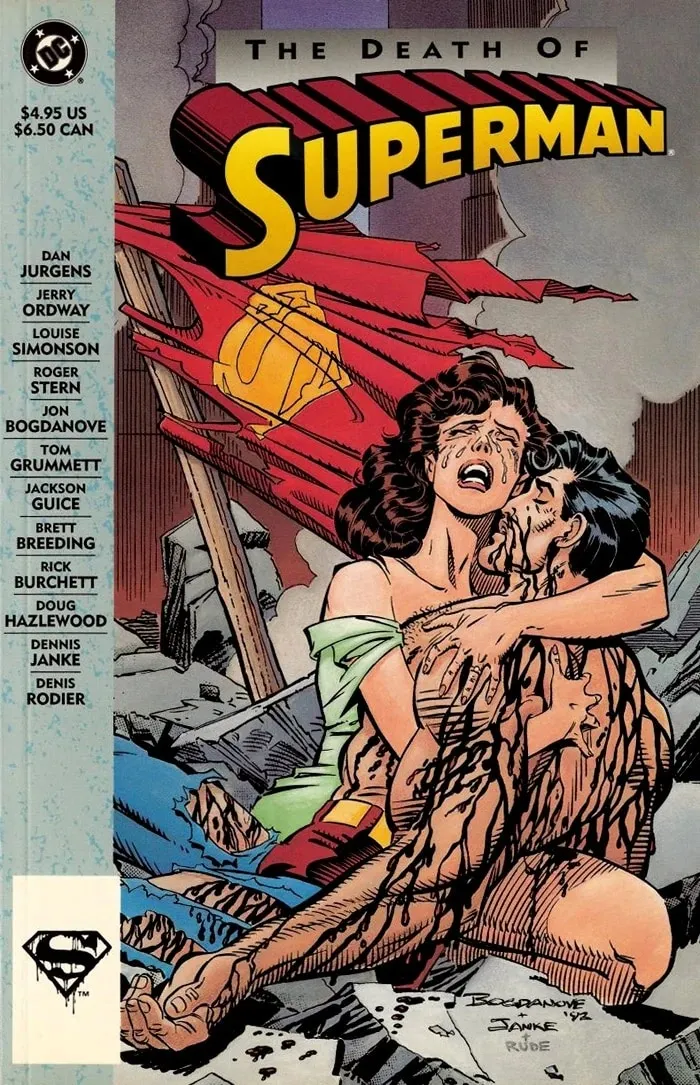
The 2000s and New 52 reboot made him younger, more impulsive, and alienated, while Grant Morrison’s All-Star Superman offered a poetic, godlike version that many consider definitive.
In the 2010s, DC Rebirth restored much of his classic legacy, reuniting him with Lois and giving him a son, Jon Kent.
Superman in motion
Creating Superman on screen is like catching lightning in a bottle. For over eight decades, Superman has soared across comic panels, movie screens, and television sets. But one of his most enduring and beloved forms has been in animation. From classic Saturday morning cartoons to modern streaming adaptations, the animated Superman has not only entertained generations of fans but also shaped the way we understand the character. Superman’s leaping from comic pages to TV screens in The Adventures of Superman. By 1978, Superman was ready for the big screen, and Christopher Reeve became the gold standard. George Reeves steps into the role, his square jaw and warm smile turning Clark Kent into America’s favorite neighbor. Reeve’s Clark Kent was a bumbling, glasses-wearing dork, but when he tore open his shirt to reveal the ‘S’, you believed a man could fly.
Superman’s story kept evolving with the times. In 2006, Brandon Routh’s Superman Returns was a love letter to Reeve’s era, with lush visuals created using early CGI to craft Krypton’s crystalline landscapes and Metropolis’ gleaming skyline. Then came 2013’s Man of Steel, with Henry Cavill as a Superman for our messy, modern age. This Clark Kent is wrestling with his place in a world that didn’t always trust him. This Superman was raw, conflicted, and deeply human, mirroring our own struggles with power and purpose in a polarized world. Let’s analyze these characters in a little bit of depth to understand them.
Animation Shows: The all-time strength zone of DC Characters
The Birth of an Icon: The Fleischer Cartoons (1941–1943)
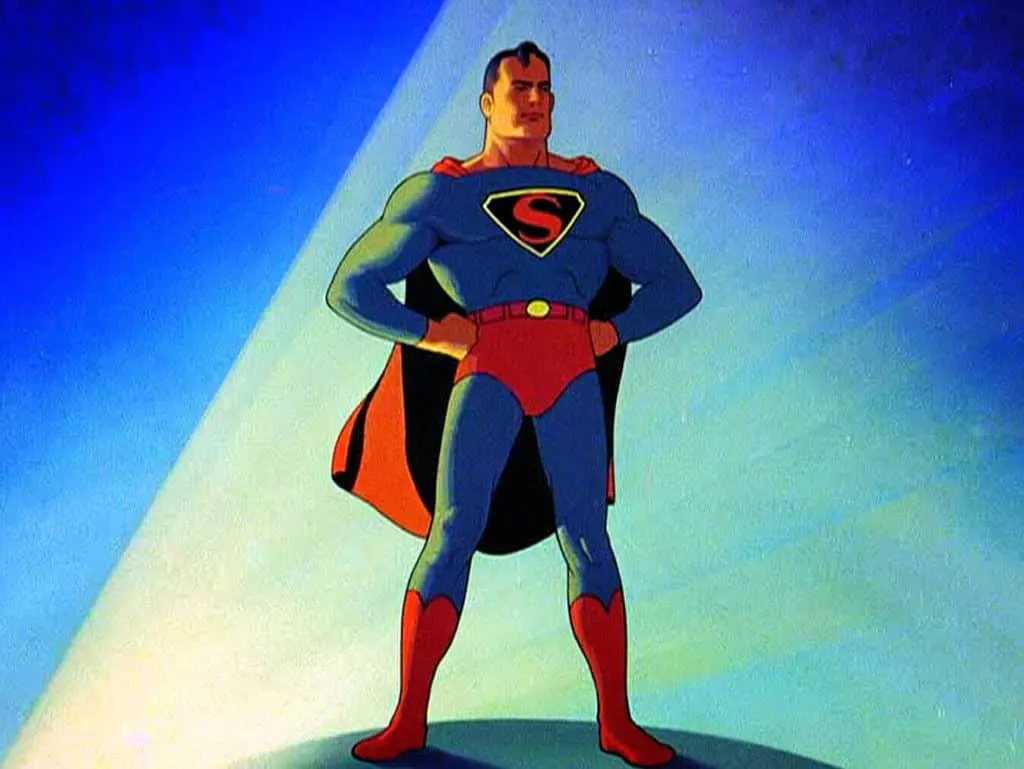
Long before CGI, there was Max and Dave Fleischer’s Superman. These theatrical shorts, produced by Fleischer Studios and distributed by Paramount Pictures, were a technical marvel of their time. Using rotoscope animation, they brought unprecedented realism and fluid motion to Superman’s flight, so much so that the animators chose to have him fly (instead of jump) just to keep things elegant on screen. The deep shadows, Art Deco backdrops, and orchestral scores gave these cartoons a noir-like grandeur that still holds up. Superman battled mad scientists, giant robots, and natural disasters, with Lois Lane frequently in tow as a fearless reporter. These 17 shorts remain influential in superhero animation.
The Golden and Silver Age Cartoons (1966–1985)
In the 1960s, Superman hit television with Filmation’s The New Adventures of Superman (1966–1969). Budget constraints meant limited animation, recycled movements, and minimal character expression. But the show was significant for one reason — it kept Superman in the public eye. Bud Collyer, the original voice from the 1940s radio series, returned, lending an air of continuity. These episodes introduced classic DC villains and leaned heavily into moral lessons, often ending with Superman addressing young viewers directly.
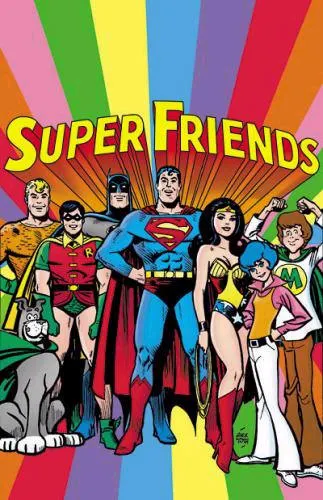
Later, Super Friends (1973–1985), produced by Hanna-Barbera, the first team up of the justice league members, became the definitive childhood introduction to Superman for an entire generation. While toned-down and often cheesy, Superman led the Justice League (renamed the “Super Friends”) in battles against villains like Lex Luthor and Darkseid. These shows were foundational in building Superman’s reputation as the ultimate team leader.
Superman: The Animated Series (1996–2000)
My personal favourite, arguably the greatest portrayal of Superman in animation, Superman: The Animated Series (STAS) was created by Bruce Timm and Paul Dini, following the success of Batman: The Animated Series. Voiced by Tim Daly, this Superman balanced strength with empathy, responsibility with warmth. The animation was clean, stylized, and expressive. The writing delved into Clark Kent’s inner life, Krypton’s history, and brought memorable antagonists to life, including Brainiac, Darkseid, and Parasite. The show also introduced a version of Lex Luthor (voiced by Clancy Brown) that became iconic.
Notable episodes like “Apokolips…Now!”, “The Late Mr. Kent,” and “Legacy” demonstrated the show’s willingness to explore serious themes — loss, sacrifice, and identity.
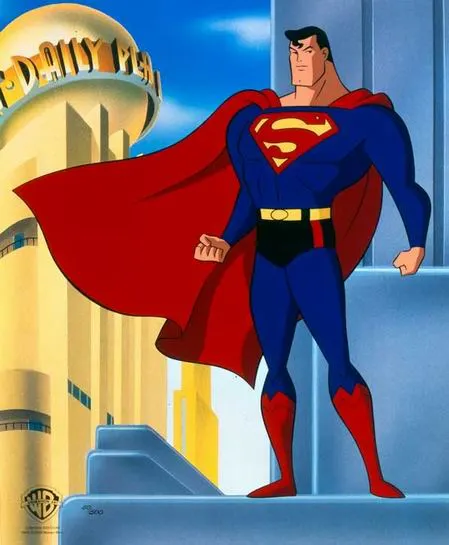
STAS laid the groundwork for a larger shared universe that would become known as the DC Animated Universe (DCAU).
Justice League and Beyond (2001–2006)
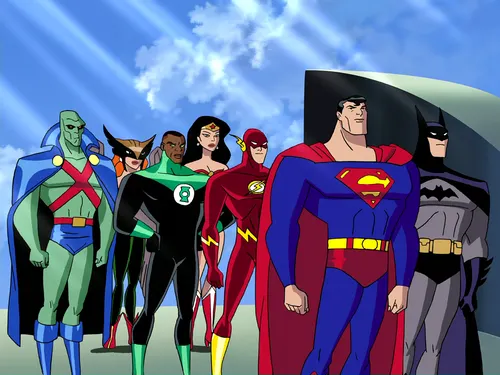
Superman’s role continued in Justice League (2001–2004) and Justice League Unlimited (2004–2006). Here, he was more powerful and more complex, dealing with doubts, world politics, and multiversal threats. His relationships with Batman, Wonder Woman, and especially Darkseid were expanded. George Newbern took over voice duties and brought a slightly more mature tone to the character.
Notably, Justice League Unlimited explored the burden of being a god among men. In episodes like “For the Man Who Has Everything” and “Divided We Fall,” Superman’s humanity, restraint, and leadership were tested in profound ways. This era cemented the idea that animated Superman could be just as nuanced as any live-action version.
The Modern Era: Reboots, Reimaginings, and Streaming (2010–Present)
In recent years, Superman’s animated presence has been varied but prolific:
Justice League: War and the subsequent DC Animated Movie Universe (2013–2020) portrayed a younger, more brash Superman voiced by Alan Tudyk and Jerry O’Connell.
My Adventures with Superman (2023– ) introduced an anime-inspired, light-hearted, romantic take on Clark, Lois, and Jimmy’s early years in Metropolis. Voiced by Jack Quaid, this Superman is joyful, awkward, and endearing — a reflection of modern storytelling sensibilities.
Each version showcases different shades of the Man of Steel, sometimes tragic, sometimes charming, but always heroic.
Superman in Camera
The 1948 and 1950 Serials: Kirk Alyn’s Trailblazing Superman
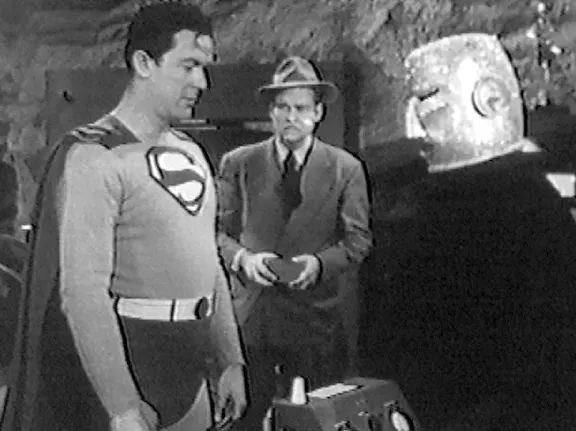
In the 1948 Superman and 1950 Atom Man vs. Superman serials, directed by Spencer Gordon Bennet and Thomas Carr, produced by Columbia Pictures, 15-chapter serials aimed to bring the comic book hero to life for a new audience. The directors sought to capture the pulpy excitement of the comics, delivering cliffhanger thrills for Saturday matinee crowds. Kirk Alyn’s Superman is driven by a straightforward mission: to protect humanity with unwavering goodness. As Clark Kent, he’s a mild-mannered reporter at the Daily Planet, but as Superman, he’s a tireless defender against villains like the Spider Lady and Lex Luthor. To get around the high cost of flying effects, the filmmakers got creative. They filmed the actor leaping powerfully, then switched to animation to show Superman flying across the sky. This combination looked unique and was something people hadn’t seen before. Alyn’s costume was hand-stitched, and he often complained about its itchiness during long shoots. The 1950 serial introduced synthetic kryptonite, a plot device reused decades later in Superman III. These serials were profitable due to low costs and consistent theater attendance. They laid the groundwork for Superman’s cinematic future, proving the character’s appeal beyond comics.
Superman and the Mole Men (1951): George Reeves’ Grounded Guardian
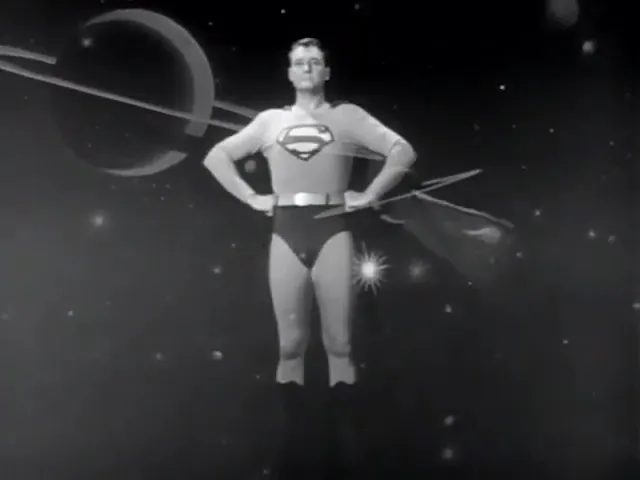
Superman and the Mole Men (1951), produced by independent studio Lippert Pictures, focused on tolerance, mirrored the era’s social tensions, particularly around integration and Cold War paranoia. Director Lee Sholem wanted a grounded, relatable Superman who felt like a community leader, emphasizing moral lessons over spectacle. George Reeves’ Superman is a paternal protector, motivated by a desire to maintain peace and understanding, who defends these misunderstood creatures from human prejudice, reflecting post-war anxieties about “the other.” His drive is rooted in compassion and a belief in fairness, making him a moral anchor in a suspicious world. The team aimed to translate the success of the serials into a feature-length film while setting up Reeves’ iconic TV series, The Adventures of Superman. Shot on a tight schedule, in RKO-Pathé Studios, the film used minimal sets to depict the fictional town of Silsby. Reeves was suspended on wires for flying scenes, a physically taxing process that required multiple takes.
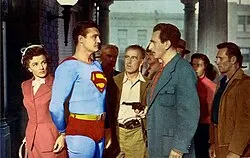
The Mole Men’s costumes were cobbled together from cheap materials, with glowing eyes created using small light bulbs, a low-tech but effective touch. This film’s success led to the TV series, suggesting it resonated with audiences. Its modest scope made profitability likely, cementing Reeves as a beloved Superman.
Superman: The Movie (1978) and Superman II (1980): Christopher Reeve’s Iconic Idealist
First of all, let me clear a common confusion I also had: Christopher Reeve has no family relation with George Reeves.
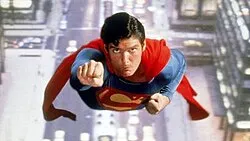
Christopher Reeve’s portrayal in Superman: The Movie (1978) and Superman II (1980) wasn’t just iconic, it became the gold standard for all live-action superheroes that followed. For an entire generation, Reeve wasn’t just playing Superman, he was Superman. His embodiment of strength, warmth, and moral clarity defined the role the way Robert Downey Jr. defined Iron Man or Chris Evans defined Captain America. He wasn’t the first to wear the cape, but he was the first to make us believe in it.
This Superman was driven by a deep sense of duty to Earth. His motivation is to embody “truth, justice, and the American way,” a phrase that became synonymous with the character, more like Steve Rogers ’ Captain America, “I can do this all day!”. For example, in Superman II, he faces a personal conflict, choosing between love for Lois Lane and his responsibility to humanity, ultimately sacrificing personal happiness for the greater good.
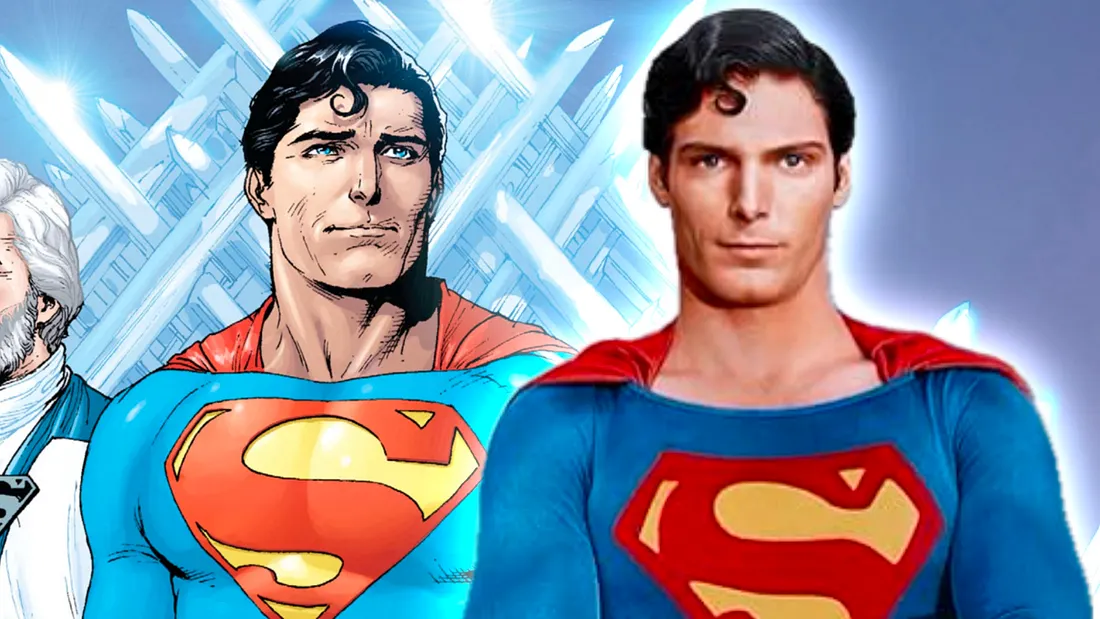
Richard Donner, director of Superman: The Movie, aimed to make audiences “believe a man could fly” by treating the comic book source with sincerity, not camp. He wanted to craft an epic origin story that felt real, grounding Superman’s fantastical powers in human emotion. Donner’s vision was to make Superman a universal symbol of hope in a cynical post-Watergate era. Filming Superman and Superman II simultaneously began in March 1977 at Pinewood Studios, with Krypton scenes using elaborate crystal sets designed by John Barry. The iconic flying scenes were achieved with the Zoptic system, a front-projection technique that made Reeve appear to soar. Over 1,000 visual effects shots, supervised by Derek Meddings, included miniatures for Metropolis and practical effects for explosions. The production faced challenges. Budget overruns and Donner’s clashes with producers Alexander and Ilya Salkind led to his firing. Lester reshot much of Superman II, adding comedic elements, leaning into humor and a lighter tone, aiming to broaden appeal but diluting Donner’s gravitas. The Movie had a budget of $55 million, the most expensive film of its time, and grossed $300.2 million worldwide, yielding a profit of about $245 million.
Superman II cost $54 million and earned $216 million globally, a success but less than its predecessor due to competition from Raiders of the Lost Ark.. Both films set a high bar for superhero cinema, proving its commercial viability.
Superman Returns (2006): Brandon Routh carries the legacy
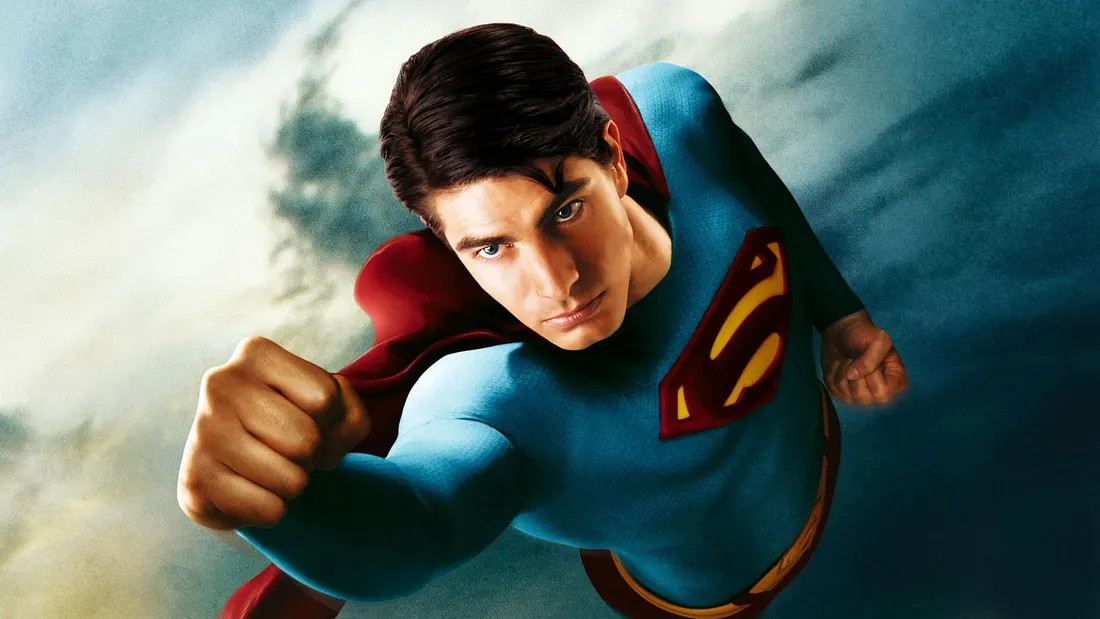
Routh beat out thousands, including Henry Cavill, the future Man of Steel. Singer even insisted Routh wear blue contact lenses to match Reeve’s eyes, adding to his striking resemblance. So, Brandon Routh’s Superman in Superman Returns (2006) is kind of a tribute version of Christopher Reeve’s Superman.
He was motivated by a longing to reclaim his place in a world that had moved on. As Clark Kent, he grapples with feelings of isolation, while as Superman, he seeks to prove his relevance as a protector. His journey is introspective, driven by love for Lois and a need to reconnect with humanity, making him a poignant, almost tragic figure. With a $232 million budget (including development costs from canceled projects), Superman Returns grossed $391 million worldwide, falling short of Warner Bros.’ $500 million goal. Despite positive reviews, the modest profit led to the cancellation of a planned 2009 sequel, marking a shift toward rebooting the franchise.
Man of Steel (2013): definition of modern Superman
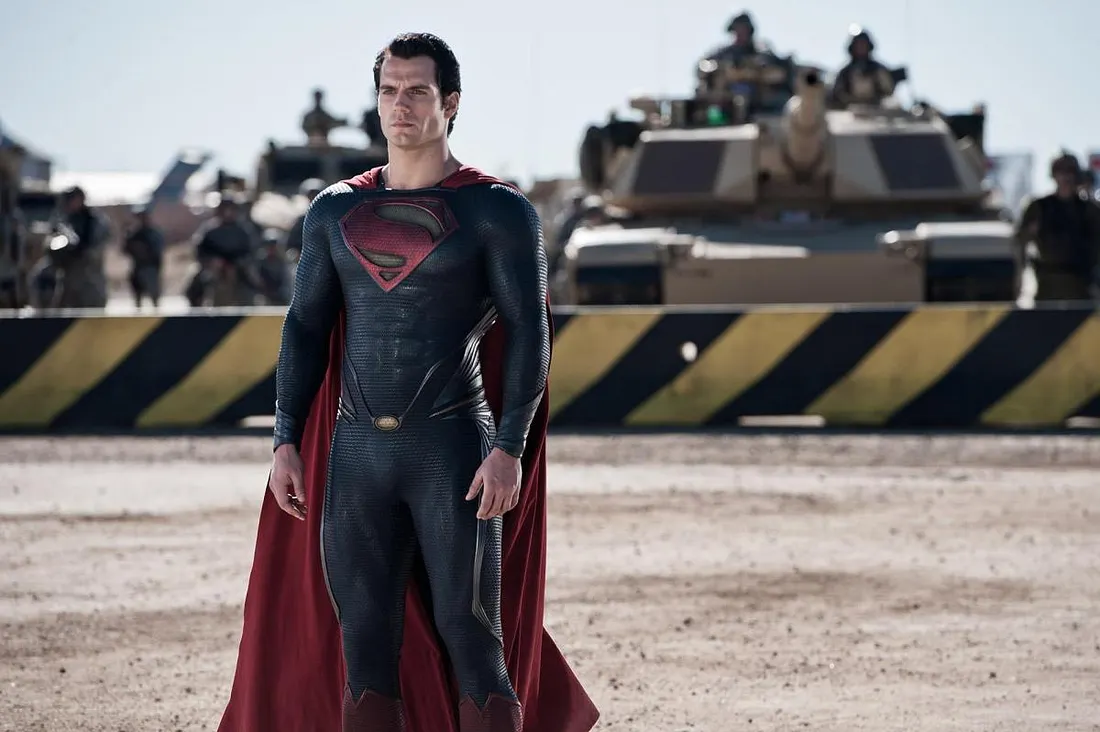
Zack Snyder aimed for a modern, grounded, skeptical Superman in Man of Steel (2013). His goal was to make Superman relatable by emphasizing his struggles, even if it meant a darker, more divisive tone. Snyder focused on Clark’s alienation and moral dilemmas, drawing parallels to real-world debates about power and surveillance.
Henry Cavill’s Superman is driven by a search for identity and purpose, a god-like figure wrestling with human doubts, shaped by a world that fears his power.
Shot in Vancouver and Illinois, Man of Steel featured over 1,500 VFX shots by Weta Digital, including a fully digital Krypton with intricate biomechanical designs.
Cavill’s suit, with 100,000 tiny scales, was crafted for a futuristic aesthetic, and he trained intensely for six months to embody Superman’s physique.
With a $225 million budget, Man of Steel grossed $668 million worldwide, making it the highest-grossing Superman solo film. While profitable, it fell short of Warner Bros.’ billion-dollar expectations, prompting a shift toward Batman v Superman. The film’s mixed reviews highlighted its polarizing tone but praised its visuals and Cavill’s intensity.
The New Dawn of 2025
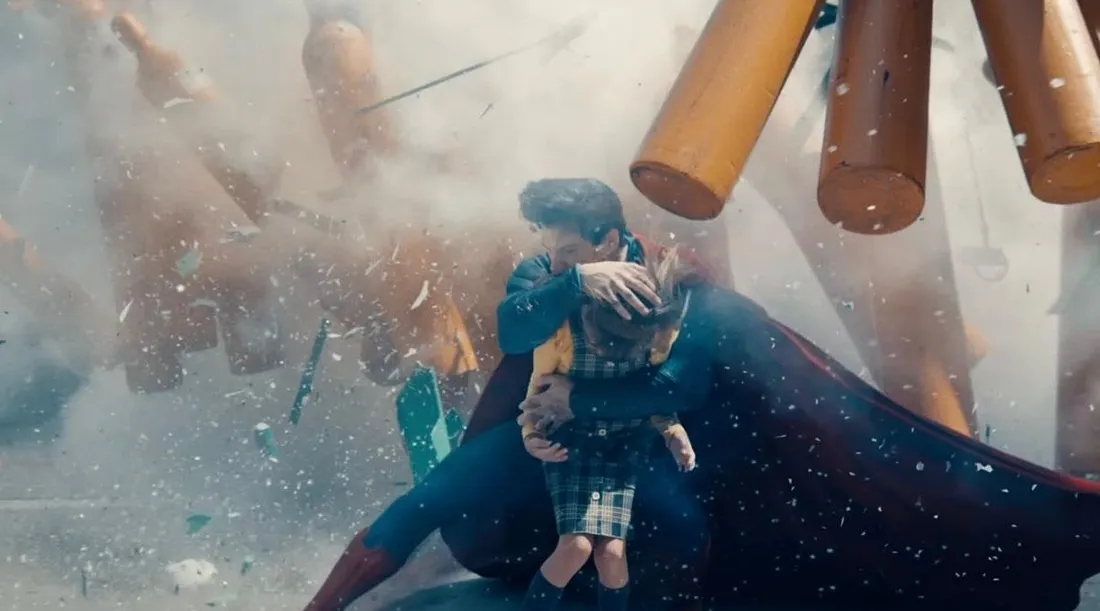
James Gunn’s Superman has landed, and made a box office blockbuster. David Corenswet’s take is like a sunrise after a long night. The film leans into hope, with a Clark Kent who’s already a hero, confident but relatable.
The visual effects are a marvel — think photorealistic CGI for Krypton’s alien vistas, seamless wire work for flying scenes, and practical sets for Metropolis that blend old-school charm with modern polish. Gunn insisted on real stunt work for some action sequences, with Corenswet training to do his own leaps and dives to keep the physicality authentic.
The production also used over 10,000 LED lights to create dynamic, shifting skies for Superman’s flights, a nod to the comic’s vibrant panels. Gunn, a master of heart (just look at Guardians of the Galaxy), crafts a Superman who’s not a distant deity but a friend, a leader who inspires by example.
The film's $125 million domestic opening weekend (with a global debut of approximately $217–220 million) marked a strong start, ranking as the third-biggest opening of 2025 and the highest-grossing debut for any Superman franchise origin/reboot film. It demonstrated strong audience enthusiasm for James Gunn's brighter, more hopeful take on the character, though some fans still express nostalgia for Henry Cavill's darker, more brooding portrayal. The movie ultimately grossed $354.2 million domestically and $264.5 million internationally, for a worldwide total of $618.7 million against a reported $225 million budget.
This made it the highest-grossing superhero film of 2025, the tenth highest-grossing film overall that year, and a profitable success (with estimates of over $100–125 million in theatrical profit, plus additional revenue from home media, merchandise, and streaming). It achieved milestones like surpassing $300 million domestically (a first for DC in years) and became the first DC film in over a decade to outgross all Marvel releases from a single year in certain comparisons. While it fell short of Man of Steel's $668–670 million worldwide (due partly to softer international performance), it broke domestic records for the character and signaled a successful launch for the new DC Universe, proving audiences are embracing this optimistic vision - even amid the ongoing tug-of-war between a hero who reflects our inner doubts and one who inspires us to rise above them.
Superman: The hope among us
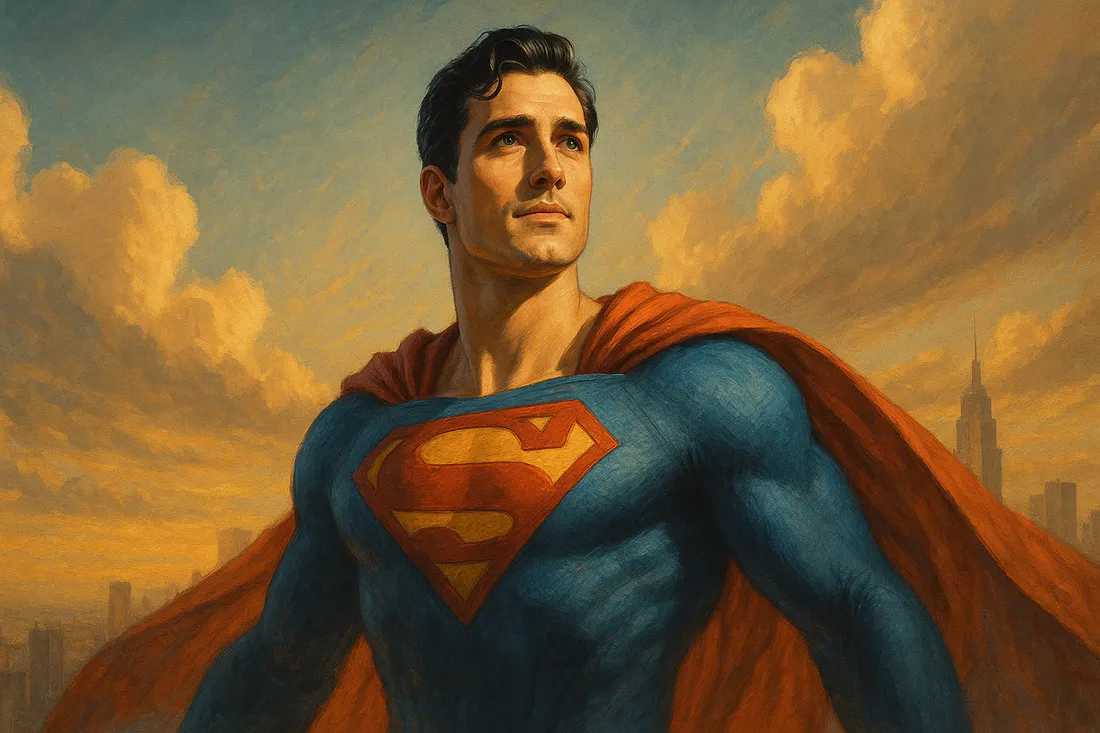
He’s not just a hero; he’s a mirror. In the ’30s, he had a dream of justice in a cruel world. In the ’50s, he was stable in a nervous age. In the ’70s, he was sincere when trust was scarce. In the 2000s, he was a question of relevance, and in the 2010s, a meditation on power and doubt. Now, in 2025, he’s a reminder that hope isn’t naive, it’s brave.
Superman’s real superpower isn’t flight or strength; it’s restraint. He could conquer the world, but chooses to protect it. He’s the immigrant who loves his adopted home, the outsider who teaches us how to belong. Every generation remakes him, asking: What does it mean to be good when you could be a god? Answer it right, and you don’t just save the day, you inspire the world to be better.
So next time you look up at the stars, think of that baby from Krypton, soaring through our skies, reminding us that even in a complicated world, we can still choose to fly!